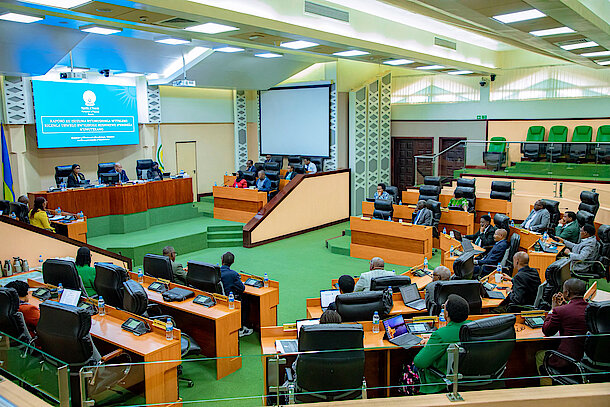
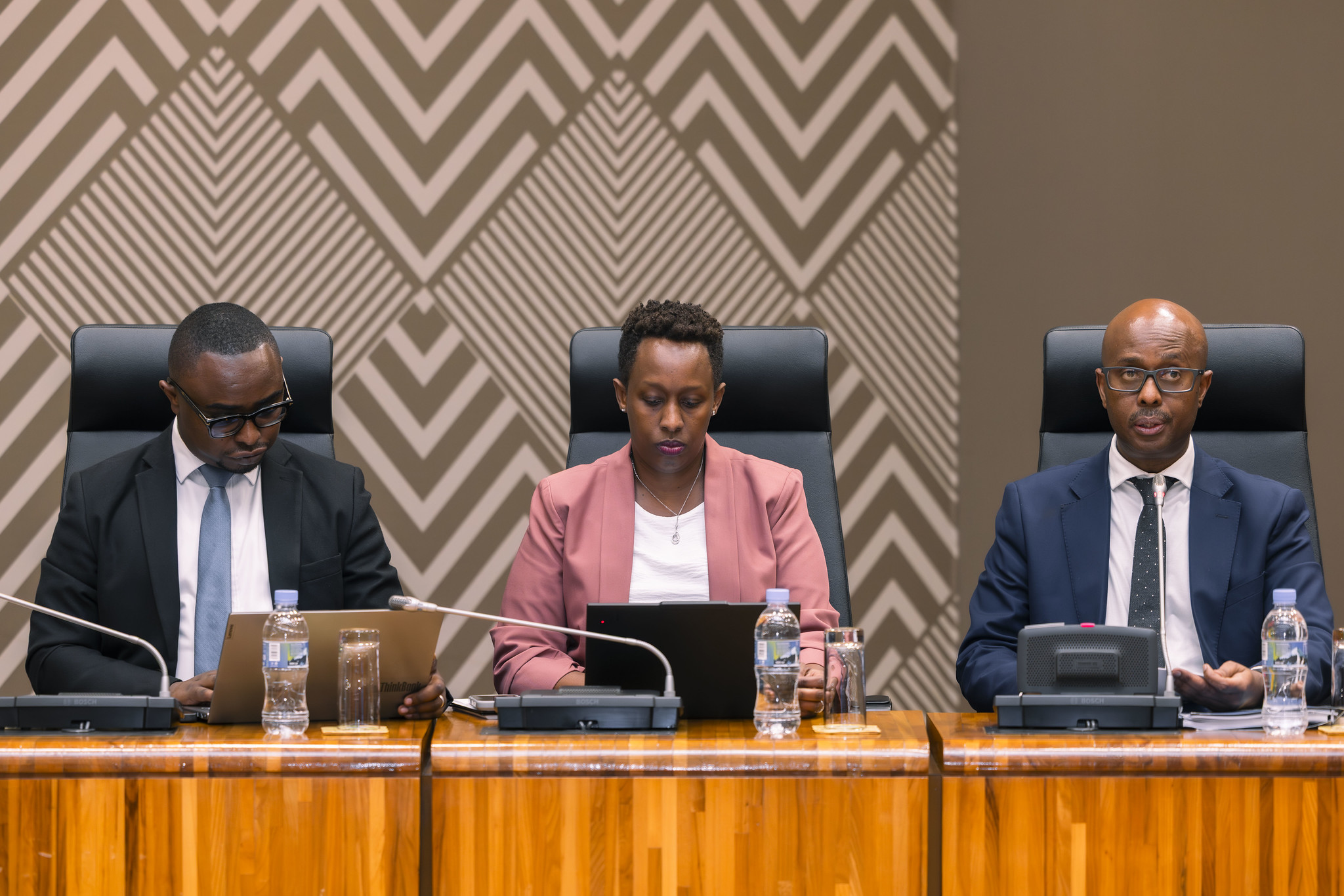

On 18 March 2026, the Plenary Sitting of the Chamber of Deputies approved the relevance of a draft organic law governing elections.
The proposed legislation aims to improve and streamline electoral processes by drawing on lessons learned from previous elections, as well as recommendations from stakeholders.
A central feature of the reform is the introduction of indirect elections for District Council members. This approach is intended to make the electoral process more efficient and convenient for citizens, while reducing the frequency of nationwide voting exercises.
The draft law also proposes extending the timeframe for organising by-elections to replace local government leaders who vacate office. Under the new provisions, the minimum remaining term required to conduct such elections would increase from six months to one year, allowing for better planning and coordination.
In addition, the proposed law aligns the electoral framework with the Constitution, other relevant legislation, and national development strategies, including NST2 and Vision 2050. This harmonisation is expected to reinforce good governance and enhance the effectiveness of public institutions.